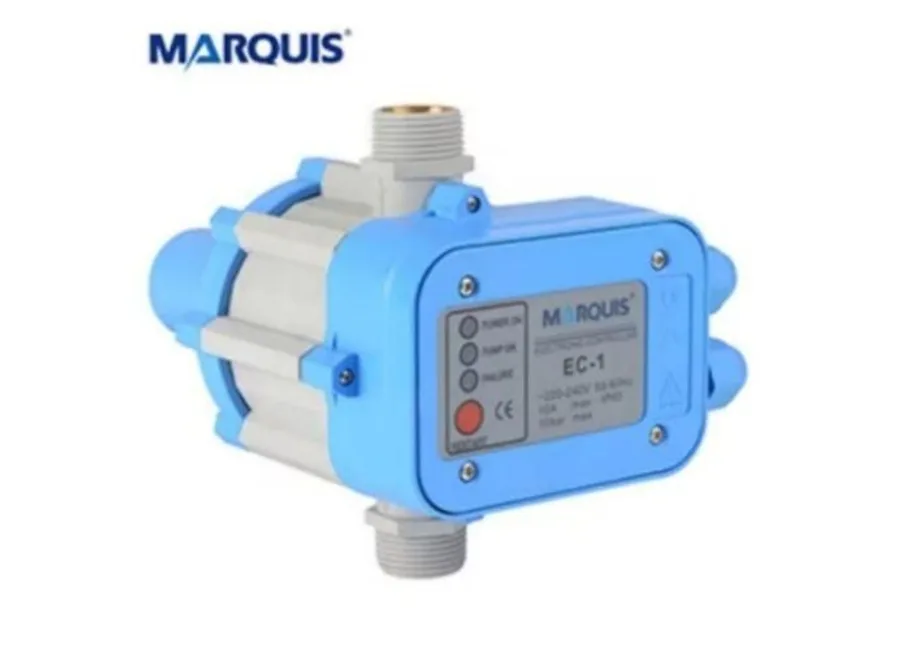
borehole pump cycling on and off is a warning that the pump-control and water-delivery system needs review, especially when starts become frequent, pressure swings are noticeable, or the pump runs for only short periods. This guide explains how pressure tanks, switches, leaks, tank controls, pump sizing and demand can create cycling, and how to diagnose the cause before changing settings or replacing equipment.
Why borehole pump cycling on and off matters
borehole pump cycling on and off can create unnecessary starts, unstable pressure and extra wear on pump-control components. The cause can be as simple as a leak or pressure-tank problem, but it can also involve an incorrectly sized pump, poor control settings or a storage system that has been configured to start and stop too frequently.
Start by identifying what type of system you have. A borehole pump feeding a large storage tank should behave differently from a pump feeding a pressurized distribution system directly. If a tank and booster pump are used, the cycling complaint may belong to the booster system rather than the submersible borehole pump.
For borehole pump cycling on and off, do not adjust electrical or pressure-control settings blindly. Record the pressure behavior, tank level, run duration and demand pattern, then have qualified personnel diagnose controls where electrical work is required.
Borehole pump cycling on and off: step-by-step diagnosis
A practical borehole pump cycling on and off diagnosis begins with observation. Note whether cycling occurs when no water is intentionally being used, only during peak demand, only near tank-full conditions, or after a recent pump or pressure-system change. The pattern helps narrow the likely cause.
- Define the system layout. Identify the borehole pump, storage tank, booster, pressure tank, pressure switch and automatic controls.
- Record cycling behavior. Note start frequency, approximate run time and pressure change.
- Check for unintended demand. Leaks or running fixtures can cause repeated pressure loss.
- Review the pressure tank. Confirm that the vessel is appropriate and being assessed by a competent technician.
- Review the pressure switch. Compare the intended cut-in/cut-out control with actual system behavior.
- Check pump duty. An oversized pump can refill a small pressure volume very quickly.
- Separate borehole and booster cycling. Identify which motor is actually starting repeatedly.
- Verify after repair. Record the new run duration and start frequency under comparable demand.
A simple cycling-rate relationship is:
In plain English, cycling rate N can be recorded as the number of pump starts divided by the observation time. The purpose is to create a repeatable baseline, not to apply one universal acceptable number.
How borehole pump cycling on and off relates to pressure tanks
borehole pump cycling on and off is often discussed together with the pressure tank because the tank provides usable stored water between pump starts in a pressurized system. If usable drawdown is too small for the demand pattern, the pump can start frequently. A vessel fault or incorrect setup can create similar symptoms.
The pressure tank price in Kenya guide explains why tank capacity, usable drawdown, pressure rating and system duty matter more than the label alone. Pressure-vessel service should follow the manufacturer and qualified technician guidance rather than improvised adjustments.
Choosing the right borehole pump cycling on and off approach
The first diagnostic question is whether the system is losing pressure because water is being used, because of a leak, or because the control/storage arrangement cannot hold the intended pressure. A borehole pump cycling on and off problem during zero demand points in a different direction from cycling during heavy simultaneous use.
| Cycling pattern | Useful first check | Possible area |
|---|---|---|
| Cycles when no water is used | Check for leaks and pressure loss | Pipework, valves, non-return components or fixtures |
| Very short runs under small demand | Review pressure-tank usable volume | Tank condition, sizing or settings |
| Cycles only at peak demand | Compare demand with pump and pressure-system duty | Pump sizing, tank volume or distribution demand |
| Starts/stops near storage full level | Review level control | Float or tank-level differential |
| Cycling began after pump replacement | Review new pump duty and controls | Oversizing, switch or tank mismatch |
Another useful relationship is run time for a known usable volume:
In plain English, time t equals the delivered volume V divided by pump flow Q. A very high flow into a small usable pressure volume can create short runs, although real system behavior also depends on demand and control settings.
Worked example: borehole pump cycling on and off after replacement
Imagine a property where an old pump is replaced with a larger model. Soon afterward, the owner reports borehole pump cycling on and off during ordinary household demand. A review shows that the pressure vessel and switch arrangement were not changed, while the new pump refills the pressurized volume much faster.
The technician reviews the actual water-system duty, pump selection, tank condition and pressure control rather than simply widening settings. The correct solution is based on the complete system, and the post-repair start frequency is recorded.
At another site, the submersible pump fills a storage tank and never cycles rapidly, but the building booster starts repeatedly. In that case, the borehole source is not the immediate problem. The same user complaint requires a different piece of equipment to be diagnosed.
| Illustrative diagnostic factor | Relative priority index |
|---|---|
| System layout | 100 |
| Pressure tank | 92 |
| Leaks and demand | 84 |
| Pump duty | 78 |
Features of our borehole pump cycling on and off diagnosis
| Feature | What it helps establish |
|---|---|
| System-layout review | Which pump and controls are actually cycling |
| Start/run observation | A baseline of frequency and run duration |
| Pressure-tank review | Whether usable storage and condition suit the duty |
| Pressure-switch review | Whether control behavior matches the intended range |
| Leak and demand check | Whether pressure is being lost between starts |
| Pump-duty review | Whether equipment is oversized or mismatched |
| Post-service verification | Whether cycling behavior actually improved |
Advantages of measured borehole pump cycling on and off diagnosis include:
- Less unnecessary pump replacement because controls and pressure storage are checked first.
- Fewer trial-and-error adjustments because start frequency and pressure behavior are recorded.
- Better pump life management because frequent starts are treated as a system symptom.
- Better pressure stability when tank and control duty match demand.
- Clearer leak diagnosis when cycling occurs with no intentional water use.
- Better handover records because repaired behavior becomes the new baseline.
Borehole pump cycling on and off pricing
borehole pump cycling on and off pricing depends on whether the problem is resolved through a pressure-system diagnosis or needs pump, control, leak or broader water-system work. Separate the diagnostic scope from replacement equipment so the quotation explains why each item is needed.
| Scope | Indicative price | What to confirm |
|---|---|---|
| Cycling diagnosis | $— | System layout, pressure behavior, controls and demand |
| Pressure-tank service/replacement | $— | Capacity, pressure rating, connection and installation |
| Pressure-switch/control work | $— | Compatibility, qualified installation and commissioning |
| Pump-duty review or replacement | $— | Tested source, flow, head and complete installation scope |
Borehole pump cycling on and off with no water use
If borehole pump cycling on and off occurs when the property is not intentionally using water, look for a pressure loss rather than increasing the pump size. Leaking fixtures, pipework, valves or another path can cause the pressure switch to call for repeated starts.
A technician should verify the pressure behavior and isolate the source of loss methodically. Replacing the pressure switch without finding the leak may leave the cycling unchanged.
Borehole pump cycling on and off and pressure switches
The pressure switch is one part of the system. Borehole pump cycling on and off can continue even with a new switch if the pressure tank has little usable drawdown, the pump is oversized or a leak keeps reducing pressure. The switch should therefore be selected and commissioned as part of the pressure-system design.
The site lists an adjustable pump pressure switch as a replacement component. Compatibility and electrical installation should be confirmed by qualified personnel.
Borehole pump cycling on and off and tank level controls
If a borehole pump feeds atmospheric storage, level-control differential matters. A float or controller that restarts the pump after only a small change in tank level can produce frequent starts even though no pressure switch is involved. A borehole pump cycling on and off diagnosis should therefore identify the actual control method before focusing on pressure equipment.
The float switch price in Kenya guide explains how tank-level controls fit into a borehole storage system.

Borehole pump cycling on and off on solar systems
Solar pump systems may start and stop for reasons related to controller logic, available solar input, tank controls or protection. Do not assume a borehole pump cycling on and off pattern on a solar system is caused by the same pressure-switch issue as a domestic booster.
Record controller status, time of day, tank level and pump output. The solar vs electric borehole pump Kenya guide provides the wider operating context.
Borehole pump cycling on and off after adding fixtures
A property expansion can change demand enough to expose a marginal pressure-system design. If more bathrooms, irrigation zones or commercial users are added, compare the new peak demand with pump and pressure-tank duty. Borehole pump cycling on and off that begins after expansion may be a capacity and control problem rather than a new pump fault.
Update the system record when demand changes. This makes later troubleshooting much clearer.
Records to keep for borehole pump cycling on and off
- Which pump is cycling.
- Starts during a defined observation period.
- Typical run duration.
- Pressure readings or tank levels at start and stop.
- Pressure tank model/capacity where applicable.
- Pressure switch or level-control details.
- Known leaks or demand changes.
- Pump model and duty.
- Settings or parts changed during service.
- Post-repair cycling baseline.
Common borehole pump cycling on and off mistakes
- Changing pressure settings without diagnosing the system.
- Assuming the submersible borehole pump is cycling when the booster is the actual motor starting.
- Replacing a pressure switch while ignoring a failed or undersized pressure tank.
- Ignoring leaks when cycling occurs with no demand.
- Installing a larger pump without checking source and pressure-system duty.
- Ignoring tank-level controls on storage systems.
- Failing to record start frequency before and after repair.
- Doing electrical control work without qualified personnel.
How to get started with borehole pump cycling on and off
Record the system layout, which motor starts, pressure or tank-level behavior, approximate run duration and whether cycling happens when no water is used. Collect the pump, pressure tank and control details. This gives the service technician a much better starting point than the statement that the pump “keeps switching.”
A useful borehole pump cycling on and off service should end with a defined cause and a new baseline. The final system should be monitored under ordinary demand to confirm that the problem was actually corrected.
Borehole pump cycling on and off FAQs
Why is my borehole pump cycling on and off?
Possible causes include pressure-tank problems, pressure control, leaks, demand changes, tank-level controls or a pump that is mismatched to the system.
Can a pressure tank cause short cycling?
Yes. Usable pressure storage and tank condition are important parts of a pressurized pump system.
Can a leak cause cycling when no taps are open?
Yes. An unintended pressure loss can make the control system start the pump repeatedly.
Should I widen pressure-switch settings myself?
Do not use trial-and-error adjustments. Have the pressure system and controls assessed, with electrical work handled by qualified personnel.
Can an oversized pump cause short run times?
A pump with high flow relative to the usable pressure volume can refill the system quickly, so pump and tank duty should be reviewed together.
Does a storage-tank system use a pressure switch?
Not necessarily. A borehole pump feeding atmospheric storage may be controlled by tank level, while a separate booster handles building pressure.
What should be recorded after repair?
Record start frequency, run duration, pressure or tank-level behavior and the parts or settings changed.
Make borehole pump cycling on and off measurable
borehole pump cycling on and off should be diagnosed by identifying the actual motor, recording pressure or tank-level behavior, checking storage and leaks, and reviewing the pump duty before settings are changed. Verify the result after service so the repaired cycling pattern becomes a reliable baseline for future maintenance.
Borehole pump cycling on and off after pressure tank replacement
If borehole pump cycling on and off continues after a pressure tank has been replaced, the diagnosis should return to the complete system. Confirm that the new vessel is suitable for the pump duty, that the pressure control is compatible, and that no leak or uncontrolled demand is reducing pressure between starts. A new component does not guarantee that the original cause was identified.
Record the pressure behavior and start frequency before making further changes. If the replacement tank has a different usable volume from the previous setup, the run pattern may also change. The service technician should compare pump flow, tank behavior and switch operation together rather than changing one item repeatedly.
Borehole pump cycling on and off and non-return valves
A borehole pump cycling on and off problem can also involve water moving backward through a failed or poorly functioning non-return path after the pump stops. That pressure or water loss can trigger another start even when users are not drawing water. The exact valve arrangement depends on the system, so diagnosis should follow the installed pipework rather than assumptions.
If repeated starts occur with no demand, a technician can observe pressure decay and isolate likely sections of the system. This keeps the investigation focused on the cause of pressure loss instead of on the pressure switch alone.
Borehole pump cycling on and off on apartment and commercial systems
Apartments, hotels, schools and commercial sites may use several pumps, storage tanks and pressure zones. When users report borehole pump cycling on and off, identify which motor is actually starting, which pressure zone is affected and whether the borehole pump feeds storage or distribution directly.
Large sites also need a clear operating record. Keep normal start frequency, pressure range, tank levels and demand periods so a future change is easy to recognize. If a VFD or booster set is installed, its controller history may provide additional evidence.
Borehole pump cycling on and off verification after service
After repairs, observe the system under ordinary low, medium and peak demand rather than confirming success from one start. A strong borehole pump cycling on and off verification record includes the repaired component, start frequency over a defined period, run duration and pressure or tank-level behavior.
If cycling improves only temporarily, revisit leaks, pressure storage and pump duty before making further control changes. A measurable post-service baseline is valuable because it gives the next technician a reference if the symptom returns.