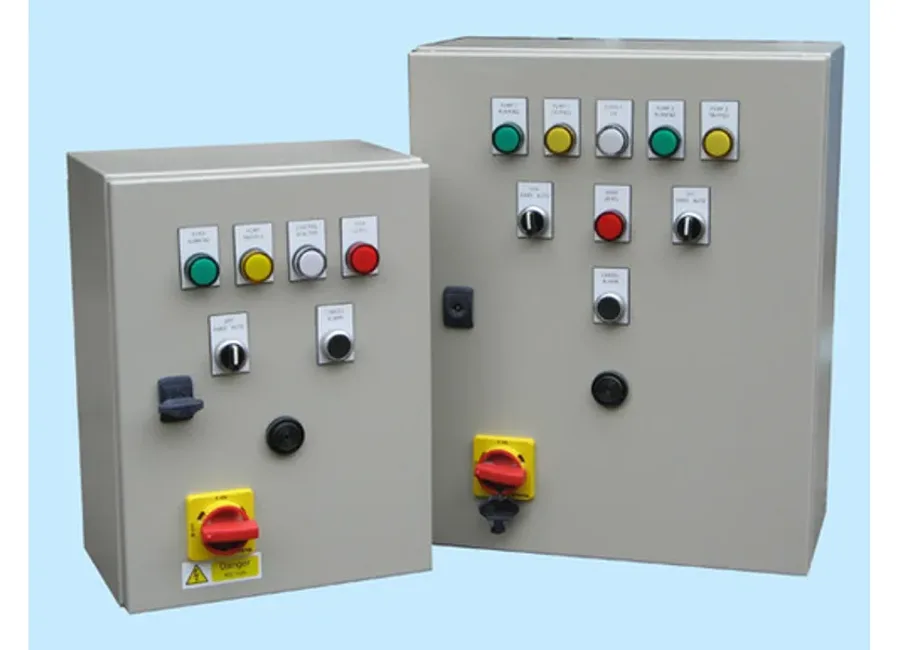
borehole dry run protection helps stop a pump when operating conditions indicate that continuing to run could damage equipment or leave the motor without the intended water conditions. This guide explains why dry-run trips happen, how protection methods differ, what records a technician needs, and why repeated trips should be diagnosed rather than bypassed.
Why borehole dry run protection matters
borehole dry run protection is not simply an alarm to ignore when water stops. A trip can indicate a changed pumping water level, an operating rate that is too aggressive for the current source condition, a sensor or controller issue, or another equipment fault. The protection event is therefore useful diagnostic evidence.
Start by recording when the trip occurs. Note the tank level, approximate pumping duration, controller indication, recent demand and whether the fault happens only at certain times. If water-level records exist, compare them with the commissioning baseline. The static water level vs pumping water level guide explains how operating drawdown should be documented.
Do not defeat borehole dry run protection to keep a pump running. Electrical and control work should be handled by qualified personnel, and a protection trip should trigger diagnosis rather than repeated resetting.
Borehole dry run protection: step-by-step diagnostic method
A good borehole dry run protection review checks the source, pump and control logic together. The goal is to establish whether the pump is genuinely approaching an unsafe water condition or whether the protection system is reacting to another problem.
- Record the fault event. Save the controller message or indicator and note when it happens.
- Review demand. Check whether the pump is running longer because storage or site demand has changed.
- Review pump duty. Confirm whether the installed pump matches the tested source and delivery head.
- Check water-level evidence. Compare static and pumping levels where reliable measurements are available.
- Review the protection method. A qualified technician should confirm the sensor or controller logic used.
- Check related controls. Tank floats, level probes and automatic commands can interact with pump operation.
- Correct the cause. Adjusting the system should follow diagnosis, not the desire to stop a nuisance trip.
- Verify the result. Record stable operation, flow and relevant water-level behavior after the work.
A simple drawdown relationship is:
In plain English, drawdown s is the difference between pumping and static water levels when measured from the same reference point.
How borehole dry run protection relates to pump sizing
borehole dry run protection can trip repeatedly if a pump is selected to move water faster than the source should be operated under the current condition. A larger motor or higher nominal flow is not automatically better. The pump should match the tested source, required daily volume, storage strategy and delivery head.
The borehole pump sizing in Kenya guide explains why pump selection should use tested pumping level, required flow, elevation, friction and pressure. Protection is a safeguard around a correct design, not a substitute for correct sizing.
Choosing the right borehole dry run protection approach
Different control systems can detect unsafe conditions in different ways. Some use water-level sensing, some use controller logic based on motor behavior, and some combine several signals. The best borehole dry run protection approach is the one that is compatible with the pump system and can be commissioned and serviced reliably.
| Protection approach | What it uses | What to confirm |
|---|---|---|
| Level-based protection | Water-level or probe signal | Placement, cable, controller compatibility and maintenance |
| Controller-based protection | Motor or pump operating behavior | Correct motor data and controller settings |
| Solar pump controller logic | Solar-controller operating signals | Pump, array, controller and source compatibility |
| Integrated panel protection | Multiple electrical/control signals | Motor rating, supply, sensors and commissioning |
For source-and-demand planning, another useful relationship is:
In plain English, the pumped volume equals operating flow Q multiplied by pumping time t. Storage can help separate steady pumping from short demand peaks when the daily water balance supports it.
Worked example: borehole dry run protection trips every afternoon
Imagine a solar borehole pump that works in the morning but records repeated borehole dry run protection trips later in the day. The property has also expanded irrigation demand. Rather than disabling protection, the technician reviews the tested source, current pumping level, controller history, daily pumped volume and storage arrangement.
The evidence shows that the operating pattern has changed since commissioning. The solution is developed from source performance and water demand rather than from the trip alone. Depending on the findings, the site may need a revised operating rate, better storage use, controller correction or another equipment change.
At a different site, protection trips even though water levels remain stable and demand is unchanged. That pattern directs attention toward sensors, wiring, controller configuration or motor behavior. The same alarm can therefore have different causes.
| Illustrative diagnostic factor | Relative priority index |
|---|---|
| Water-level evidence | 100 |
| Pump duty | 92 |
| Control history | 84 |
| Storage and demand | 76 |
Features of our borehole dry run protection service
| Feature | What it helps establish |
|---|---|
| Fault-history review | When and under what conditions trips occur |
| Source-performance review | Whether water level and flow are part of the problem |
| Pump-duty review | Whether installed equipment suits the borehole and delivery system |
| Protection-method review | Whether the sensing/control approach matches the installation |
| Tank-control review | Whether level commands are coordinated with pump operation |
| Commissioning verification | Whether protection works without unexplained nuisance trips |
| Handover record | Settings, model details and fault information for future service |
Advantages of correctly configured borehole dry run protection include:
- Better pump protection when water conditions become unsuitable.
- Useful fault evidence because trips can be compared with demand and water-level records.
- Less blind resetting because repeated alarms trigger investigation.
- Better storage coordination when pumping is matched to the site water balance.
- Clearer maintenance because settings and protection methods are documented.
- Safer upgrades because larger pumps are not installed without reviewing source performance.
Borehole dry run protection pricing
borehole dry run protection pricing depends on the existing panel or controller, motor type, protection method, sensors, cable length, commissioning and whether diagnosis requires water-level measurements. Use an itemized scope rather than comparing one sensor price with a complete installed protection system.
| Scope | Indicative price | What to confirm |
|---|---|---|
| Protection diagnosis | $— | Fault history, panel, pump and source review |
| Level-sensing components | $— | Compatibility, cable, installation and controller interface |
| Control-panel upgrade | $— | Motor rating, supply, sensors and protection functions |
| Commissioning and verification | $— | Settings, test conditions and handover record |
Borehole dry run protection and tank float controls
Tank-level controls and borehole dry run protection solve different problems. A float tells the control system when storage needs water or is full, while dry-run protection is intended to protect pumping equipment from an unsafe source condition. The two control functions should be coordinated rather than confused.
The site lists a 5 m tank float switch as a tank-control option. Final wiring and control logic should be designed for the actual pump panel by qualified personnel.
Borehole dry run protection for solar pumps
Solar systems often include controller logic that manages changing solar input as well as pump protection. A borehole dry run protection event should be interpreted together with available solar input, controller state, water demand and source performance. Do not assume every stop is caused by low water.
Use the solar vs electric borehole pump Kenya guide to understand how pumping windows and storage differ between power sources.
Borehole dry run protection after pump replacement
A replacement motor or pump may require updated control settings or a different protection approach. After replacement, record the pump model, setting depth, normal current, flow and relevant protection configuration. Old settings should not be copied automatically if the equipment changed.
A strong borehole dry run protection handover includes the controller model and settings as well as the hydraulic baseline. This makes future fault investigation much faster.

Borehole dry run protection and rehabilitation decisions
If repeated trips coincide with a meaningful decline in hydraulic performance under comparable conditions, investigate the source before assuming the control system is wrong. The borehole rehabilitation Kenya guide explains how diagnosis should come before restoration work.
Pre-work and post-work water-level and flow measurements can show whether rehabilitation changed the condition that triggered borehole dry run protection. Do not disable protection as a substitute for correcting the underlying cause.
Records to keep for borehole dry run protection
- Pump and motor model information.
- Control panel or controller model.
- Protection method and relevant settings.
- Known pump setting depth.
- Static and pumping water-level records where available.
- Fault dates and operating conditions.
- Tank-control arrangement.
- Flow or tank-filling baseline.
- Parts or settings changed during service.
- Post-service verification result.
Common borehole dry run protection mistakes
- Bypassing protection because it trips repeatedly.
- Installing a larger pump without reviewing source performance.
- Assuming every controller stop is a low-water event.
- Changing settings without recording the previous configuration.
- Ignoring tank controls and demand changes.
- Using total borehole depth instead of pumping-level evidence.
- Failing to recommission protection after pump replacement.
- Completing a repair without verifying stable operation.
How to get started with borehole dry run protection
Prepare the pump and controller details, pumping-test report, known water-level history and a list of recent trip events. Note whether the issue is new, whether demand has changed and whether the system is solar, grid or generator powered. This helps the technician choose the correct diagnostic sequence.
A useful borehole dry run protection visit should end with an explained cause, documented settings and a measurable verification result. If source conditions are part of the problem, the operating plan should be reviewed rather than protection being weakened.
Borehole dry run protection FAQs
What is borehole dry run protection?
It is a control function intended to stop the pump when operating conditions indicate that continuing to run could be unsafe for the equipment.
Does a dry-run trip mean the borehole is dry?
Not automatically. Review water levels, pump duty, controller logic, sensors and operating conditions before deciding the cause.
Should I bypass dry-run protection?
No. Repeated trips should be diagnosed rather than bypassed.
Can a larger pump cause more dry-run trips?
If the operating rate is poorly matched to source performance, a larger pump can change drawdown and protection behavior. Pump selection should follow test data.
Can tank floats replace dry-run protection?
No. Tank floats manage storage demand, while dry-run protection addresses unsafe pump/source conditions.
Does solar pumping need dry-run protection?
Solar pumps still need suitable protection coordinated with the pump, controller and source.
What records help diagnose trips?
Keep controller faults, pump details, water-level readings, demand changes, tank status and post-service verification.
Make borehole dry run protection part of the design
borehole dry run protection works best when the pump is correctly sized, water levels are understood, tank controls are coordinated and protection settings are documented. Treat trips as useful evidence, diagnose repeated events, and verify stable operation after any change. That protects the pump without hiding the real source of the problem.
Borehole dry run protection and seasonal demand changes
borehole dry run protection should be reviewed when the way a property uses water changes. Irrigation, school occupancy, livestock numbers, rental units or longer dry-season pumping windows can increase daily runtime even though the borehole equipment has not changed. If trips begin after demand increases, compare the new operating schedule with the original pumping-test and storage plan before changing protection settings.
A storage tank can help separate steady source pumping from short peak demand, but storage does not create additional daily water. Calculate how much water the site needs and compare it with the tested operating rate and practical pumping window. This keeps borehole dry run protection aligned with the actual water balance rather than treating every trip as a controller fault.
Borehole dry run protection and pump setting depth
The pump setting is another important record in a borehole dry run protection assessment. Pump setting, final borehole depth, static water level and pumping water level are different measurements. The pump should be positioned according to the completed construction, tested water levels and equipment requirements, not simply as deep as possible.
If the pumping water level approaches the pump under the intended operating condition, a technician should review source performance and pump duty. Moving equipment or changing settings without that evidence can hide the symptom instead of solving the cause. Keep the pump-setting record with the water-level and controller history.
Borehole dry run protection for institutions and commercial sites
Schools, apartments, hotels and commercial sites often need a more formal borehole dry run protection operating record because a pump trip can affect many users. Facility teams should know the normal tank filling time, controller status, expected pumping window and the escalation path when repeated trips occur.
Where continuity is critical, the response plan can include reserve storage and clear fault reporting rather than weakening protection. Record the time of each event and what demand was occurring. That history helps distinguish an isolated sensor issue from a source-performance trend.
Borehole dry run protection commissioning checklist
- Record pump and motor model information.
- Record pump setting and the available pumping-test data.
- Document the control panel or solar controller model.
- Record the selected dry-run detection method.
- Confirm tank-level controls operate independently as intended.
- Record normal flow or tank filling time.
- Document protection settings and who is authorized to change them.
- Test normal automatic stop and restart behavior where appropriate.
- Keep controller manuals and fault-code information with the site file.
This commissioning record makes borehole dry run protection much easier to troubleshoot later because technicians can compare present behavior with the original settings and hydraulic baseline.
Borehole dry run protection after rehabilitation
If a borehole is rehabilitated because hydraulic performance declined, review the borehole dry run protection system after the source work. The pump duty, water-level response or safe operating plan may have changed. Repeat the relevant flow and water-level measurements and confirm that the protection system still matches the operating condition.
Do not assume that source rehabilitation automatically fixes every control problem. Sensors, cables, controller settings and pump equipment should still be checked separately. The best handover records both the restored source performance and the verified protection behavior.