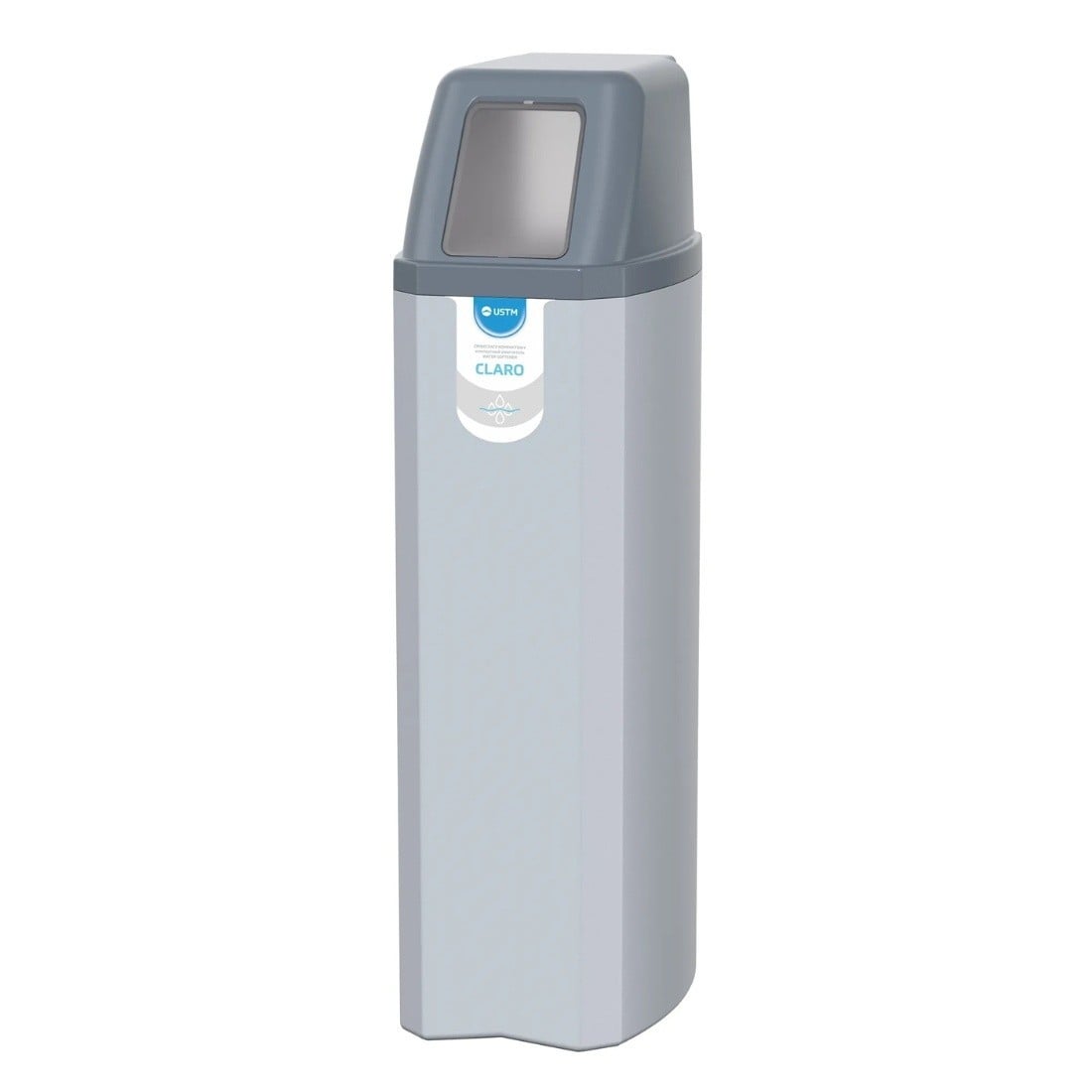
water softener prices Kenya should be compared by hardness level, peak flow, daily consumption, resin capacity, regeneration method, salt use and installation—not only by vessel size. This guide explains how domestic and commercial softeners work, what changes the installed price, and how to choose a system that treats the measured hardness without creating avoidable pressure or maintenance problems.
Why water softener prices Kenya vary
A softener is not selected only by litres of resin. The feed water, service flow, number of users, regeneration frequency, valve type, salt storage, drain access and whether continuous softened water is required all affect the system. A home can often use one compact vessel. A hotel, laundry or institution may need a larger or alternating arrangement so treatment remains available during regeneration.
Start with a representative water test. Hardness should be measured rather than guessed from scale on taps. The complete report also matters because iron, manganese, turbidity or salinity can change pretreatment and maintenance. Read the borehole water testing and treatment in Kenya guide before selecting equipment.
Water softener prices Kenya: current product references
Borehole Drillers Kenya currently lists a USTM Claro 25 L automatic water softener at KES 58,504.16. The shop also lists water softener replacement resin, 25 L at KES 8,000. A larger commercial water softening system is supplied by quotation because commercial duty must be designed around the actual hardness and flow.
These are equipment references, not universal installed-project totals. Pipework, bypass valves, drain, salt, labour, delivery, commissioning and pretreatment may be separate.
Water softener prices Kenya and hardness loading
Softener capacity depends on how much hardness is presented to the resin, not only on the number of litres of water. Harder water exhausts a given resin bed faster than moderately hard water at the same flow.
In plain English, hardness loading L is related to hardness concentration C multiplied by treated water volume V. The units and manufacturer design method must be kept consistent.
This relationship explains why two homes with the same daily litres can need different regeneration schedules if their hardness is different.
How ion-exchange softening works
A conventional softener passes hard water through ion-exchange resin. During service, hardness ions are exchanged at the resin. When the resin reaches its working capacity, the control valve regenerates the bed using brine and rinses it before returning to service.
The resin, brine tank, control valve and drain arrangement therefore work as one system. A softener without a reliable drain or salt-management plan is incomplete. Commercial users should also consider what happens to production while a vessel is regenerating.
In plain English, the water volume available between regenerations is related to usable resin capacity divided by the hardness loading of the feed. Real settings must follow the valve and resin manufacturer’s data.
Peak flow matters as much as daily demand
A softener must pass enough water without excessive pressure loss. A house may have several showers or taps open at once. A hotel can have morning peaks. A laundry may operate equipment at a defined process flow. A small vessel can technically treat the daily volume but still restrict flow at the busiest time.
Calculate both daily consumption and peak service flow. Storage can sometimes reduce treatment peak, but most whole-building softeners sit directly in the service line and therefore need to handle the actual demand.
Single-vessel versus twin/duplex softeners
A single softener typically stops providing softened water while it regenerates unless a bypass or alternate arrangement is used. For a home this may be acceptable if regeneration happens during low-demand hours. For a hotel, laundry, hospital-like institution or continuous process, interruption may be undesirable.
A twin or duplex arrangement can alternate vessels so one remains in service while the other regenerates. That adds equipment and control cost but improves continuity. The correct choice depends on how costly an interruption would be.
Iron in hard borehole water
Iron can foul softener resin and valves when the loading is significant. A laboratory report should be reviewed before deciding that softening alone is sufficient. In some cases an iron-removal stage should come before the softener.
Use remove iron from borehole water Kenya to understand oxidation and filtration options before softening.
Turbidity and sediment pretreatment
Suspended solids can block control valves and foul the resin bed. If turbidity or sand is present, solve the source or add suitable pretreatment before the softener. A cartridge filter can be useful for polishing but should not be overloaded with continuous borehole sand.
Choosing the right water softener prices Kenya approach
| Application | Main design question | Likely system direction |
|---|---|---|
| Home | Hardness, users, peak flow and regeneration timing | Compact automatic single-vessel system where suitable |
| Apartment block | Peak flow and continuity | Larger or duplex system depending on demand |
| Hotel | Guest peaks, laundry/kitchen loads and continuity | Commercial duty system with controlled regeneration |
| Laundry | Process flow and hardness target | Commercial softener sized to equipment demand |
| Industrial/process | Water-quality specification and uninterrupted service | Engineered single/duplex system with monitoring |
Worked example: hotel with hard borehole water
Consider a hotel where borehole water causes visible scale in bathrooms and hot-water equipment. The owner first considers one domestic softener because its equipment price is attractive. A water test confirms high hardness, and the hotel’s morning peak flow is much higher than a household system is designed to pass.
The better design calculates the hotel’s peak service flow and daily volume, separates guest-room demand from laundry and kitchen processes, and decides whether continuous softened water is necessary. A commercial or duplex softener may cost more initially but can avoid severe pressure loss and downtime during regeneration.
| Illustrative factor | Relative index |
|---|---|
| Household peak flow | 35 |
| Hotel peak flow | 80 |
| Commercial continuity | 65 |
Features of our water softener prices Kenya sizing service
| Feature | What it provides |
|---|---|
| Water-test review | Confirms hardness and competing treatment issues |
| Peak-flow sizing | Protects pressure during high demand |
| Daily-load calculation | Estimates regeneration frequency and resin duty |
| Pretreatment design | Protects resin from iron, turbidity or sediment |
| Regeneration/drain plan | Coordinates brine, drain and service timing |
| Continuity review | Determines whether single or duplex configuration is appropriate |
| Commissioning | Sets the control valve from actual hardness and site demand |
Advantages of comparing water softener prices Kenya by duty rather than vessel size include:
- Better pressure because peak flow is included.
- Longer resin usefulness because iron and sediment pretreatment are considered.
- Lower salt waste when regeneration is set to actual hardness loading.
- More reliable commercial operation when continuity is planned.
- Clearer lifecycle cost because resin, salt and service are visible.
Water softener prices Kenya installed-project pricing
| Scope | Indicative/current price | Notes |
|---|---|---|
| USTM Claro 25 L automatic softener | KES 58,504.16 | Current equipment price; installation, salt and pipework separate |
| 25 L replacement resin | KES 8,000 | Current material price; labour, disposal and salt separate |
| Commercial softener | $— | Designed by hardness, flow and continuity requirement |
| Complete installed softening system | $— | Pretreatment, bypass, drains, controls, salt and commissioning |
Salt consumption and operating cost
Salt use depends on resin volume, regeneration setting, hardness loading and how efficiently the valve is configured. A softener that regenerates too often wastes salt and water. One that regenerates too late can allow hardness breakthrough.
During commissioning, the valve should be programmed from the actual test result and expected usage. Keep a record of the hardness setting and regeneration configuration so future service does not start from guesswork.
Drain and regeneration water
Regeneration sends brine and rinse water to a drain. The site needs a suitable drain path. Do not discharge regeneration water where it can damage structures, create a nuisance or contaminate the borehole area.
Commercial systems can use meaningful regeneration volumes, so drainage should be designed before installation rather than improvised afterward.
Bypass valves and maintenance
A bypass lets the softener be isolated for service while maintaining water supply where appropriate. The arrangement should be clearly labelled so users understand whether bypassed water is untreated. For commercial sites, bypassing during production may not be acceptable if hardness-sensitive equipment is downstream.
Pressure loss through a softener
Every treatment vessel creates resistance. Pressure loss grows with flow and can worsen if the bed or valves are fouled. Install pressure gauges before and after the softener where useful, especially on larger systems.
If the building already experiences low borehole water pressure Kenya, correct the hydraulic design before adding an undersized treatment vessel.
Softener resin replacement
Resin can lose performance because of age, fouling, oxidation damage or poor operating conditions. Replacement should follow performance evidence rather than a universal calendar. If resin is repeatedly fouled by iron, replacing it without correcting pretreatment will repeat the problem.
How to check whether a softener is working
Test hardness before and after the softener. Observe scale on downstream fixtures and equipment, but do not rely on appearance alone. Record regeneration frequency, salt use and pressure loss. A softener that consumes increasing salt or regenerates unusually often may need investigation.
Domestic water softener design
For a home, calculate the number of users, peak simultaneous flow and daily volume. Decide whether hot and cold supplies both need softening. Some homeowners leave outdoor irrigation unsoftened to reduce salt and resin loading.
Place the softener where the drain, brine tank and service access are practical. Do not squeeze the unit into a location that makes resin or valve service difficult.
Apartment and estate water softeners
Apartments have strong peak demand. A domestic valve may create unacceptable pressure loss. Meter data can be useful for understanding actual consumption. For large estates, consider whether one central softener or multiple zones provide better maintenance access and continuity.
Hotel and laundry softeners
Hotels often have hardness-sensitive hot-water, laundry and bathroom systems. The water balance should separate these loads and identify the peak. A laundry may have a defined equipment flow and process hardness target that can be used directly in sizing.
If continuous soft water is critical, a duplex system deserves consideration so one vessel can serve while the other regenerates.
Softening before reverse osmosis
Softening can be one method used to reduce scaling risk before RO, depending on the feed chemistry and plant design. The choice should come from an RO pretreatment assessment, not from a rule that every RO requires a softener.
See reverse osmosis plant prices Kenya for the complete pretreatment and membrane design process.
Softening and drinking-water taste
Softening changes the ionic composition of water. Whether all household drinking water should pass through the softener is a design and user-preference question. If a separate drinking-water treatment line is planned, coordinate it from the beginning.
Commissioning water softener prices Kenya systems correctly
A softener should not leave site with factory settings that were never adjusted to the actual water. During commissioning, confirm the raw-water hardness, program the control valve using the manufacturer’s method, check that the brine tank fills and draws correctly, and observe a complete regeneration cycle. Verify that drain flow is unobstructed and that the bypass valves are clearly labelled.
Then measure treated-water hardness under normal service flow and again near a realistic peak where practical. If the water is soft at low flow but hardness rises during a busy period, the unit may be hydraulically undersized or the bed may be channeling. Record pressure before and after the vessel so future service can identify increasing restriction.
Good commissioning makes water softener prices Kenya easier to judge over the life of the system because the owner receives a baseline for hardness, flow, regeneration settings and salt use rather than just a newly installed vessel.
How to budget salt and service without inventing a fixed monthly cost
There is no responsible universal monthly salt figure for every Kenyan softener. Usage changes with hardness, water consumption, resin volume and the programmed regeneration dose. Instead, ask the installer to estimate salt per regeneration from the selected valve and resin, then track how many regenerations occur under real site use.
For a hotel or laundry, also budget operator checks, occasional valve servicing and replacement resin when performance evidence shows it is needed. If the raw water contains iron or sediment, include the cost of maintaining that pretreatment because neglected upstream equipment can shorten resin life.
A lifecycle comparison should therefore separate initial equipment, installation, salt, water used during regeneration, pretreatment consumables and future resin or valve service. This is more useful than choosing the lowest purchase price and discovering the operating cost later.
Water softener prices Kenya: a Kenya procurement check
Before placing an order, ask the supplier to state the design flow, resin volume, valve model, hardness setting, included bypass arrangement, drain requirements and commissioning scope. This makes competing quotations easier to compare and helps you identify whether a lower price simply excludes installation items that another supplier has already included.
Maintenance checklist
- Keep the original hardness test and commissioning settings.
- Check salt level and bridge formation in the brine tank.
- Observe regeneration events and alarms.
- Check hardness before and after treatment.
- Inspect drain flow during regeneration.
- Review pressure drop across the vessel.
- Clean/service the brine tank and valve as required.
- Investigate iron or sediment fouling before replacing resin again.
Common water softener prices Kenya mistakes
- Buying by resin litres without measuring hardness.
- Ignoring peak flow and creating low pressure.
- Installing a softener directly on iron-rich water without pretreatment review.
- Failing to provide a drain.
- Programming hardness and regeneration by guesswork.
- Using one small domestic unit for continuous commercial demand.
- Ignoring salt, water and resin replacement in lifecycle cost.
- Replacing resin without addressing why the old resin failed.
How to get started
- Arrange a representative water test.
- Provide hardness, iron, manganese and turbidity results.
- Calculate peak flow and daily use.
- Decide whether continuous softened water is required.
- Confirm drain, power and installation space.
- Request equipment, bypass, salt, resin and commissioning as separate line items.
- Record treated hardness and settings at handover.
Water softener prices Kenya FAQs
How much is a home water softener in Kenya?
Borehole Drillers Kenya currently lists the USTM Claro 25 L automatic softener at KES 58,504.16 for the equipment. Installation and site pipework are separate.
How much is replacement softener resin?
The current listed price for a 25 L bag of replacement ion-exchange resin is KES 8,000. Labour, disposal and regeneration salt are separate.
How do I know what size softener I need?
Use measured hardness, peak flow, daily volume and desired regeneration frequency. Commercial sites also need a continuity decision.
Does a softener remove iron?
Softening primarily targets hardness. Significant iron can foul resin and may require pretreatment.
Why is my softener using too much salt?
Possible causes include incorrect settings, excessive regeneration, high actual water use or a valve/service problem. Check the hardness setting and operating record.
Does a water softener reduce pressure?
Every vessel creates some pressure loss. An undersized or fouled softener can create noticeable restriction at high flow.
Do commercial softeners need two vessels?
Not always, but duplex systems are useful where uninterrupted softened water is important during regeneration or service.
Compare water softener prices Kenya from hardness and flow
water softener prices Kenya become meaningful when the water hardness, peak flow, daily demand and regeneration strategy are known. Use the equipment price as one part of the decision, then budget for pretreatment, salt, resin, drain, pipework, installation and commissioning. A properly sized softener protects pressure and gives you a clear maintenance plan.