
prepaid water meter prices Kenya should be compared as a complete metering system, not as the price of a DN15 or DN20 meter alone. Hardware, customer interface, LoRa or other communications, gateway coverage, software, M-Pesa/payment integration, plumbing installation, commissioning and ongoing support can all affect the real project cost, so this guide explains how to compare options for apartments, estates, rentals and institutions.
Why prepaid water meter prices Kenya vary
The simplest quotation may show only a meter. A complete project can include isolation valves, unions, strainers where required, meter boxes, communications gateways, customer interface units, platform licences, payment integration, installation, testing and support. If you compare one hardware-only price with another complete-system price, the cheaper option can look better while actually including much less.
Start by defining the number of connections, expected flow at each connection, pipe size, communication environment, billing workflow and who will operate the platform. For an estate, also define where the gateway or network infrastructure will be located and what happens when communications fail.
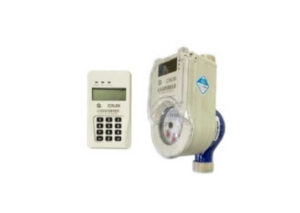
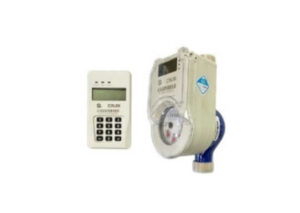
The Borehole Drillers Kenya equipment range includes current DN15 and DN20 prepaid meters plus a ten-meter hardware pack. These product pages are useful price references but should not be mistaken for a fully commissioned estate metering system.
Prepaid water meter prices Kenya: current catalogue references
| Product | Current equipment price | Scope note |
|---|---|---|
| Dayliff DN15 R100 Prepaid LoRa Water Meter | KES 14,500 | Meter hardware; network, integration and plumbing separate |
| Dayliff DN20 R100 Split Prepaid Water Meter | KES 16,820 | Meter hardware; confirm customer-interface requirements |
| 10 × DN15 Prepaid Water Meter Hardware Pack | KES 145,000 | Hardware pack; gateways, platform setup, M-Pesa integration and installation separate |
These are current listed equipment prices. A project quote should add every required system component and clearly identify recurring platform or communications charges where they apply.
Prepaid water meter prices Kenya and pipe size
DN15 and DN20 describe nominal meter sizes. The correct meter should match the service pipe, expected flow and pressure-loss requirement. A larger meter is not automatically better; an oversized meter can perform poorly at very low flows, while an undersized meter can restrict service at peak demand.
Check the actual meter performance curve and manufacturer flow ratings before final selection. Plumbing layout should also allow isolation and service without unnecessarily shutting down the whole building.
Calculate project hardware cost before installation
In plain English, basic hardware cost equals the number of meters multiplied by the unit meter cost, plus gateways and installation accessories. Software, labour and integration should then be added separately.
This simple breakdown makes quotations easier to compare. If one supplier bundles gateway and platform setup while another does not, move both into the same cost categories before deciding.
Calculate revenue and consumption separately
In plain English, a basic volumetric water charge equals measured consumption multiplied by the configured tariff. Real billing can also include fixed charges, tiering or other approved rules depending on the scheme.
The meter measures water; the billing platform applies commercial rules. Keep those functions conceptually separate so tariff changes do not require meter replacement.
DN15 prepaid water meters
DN15 is commonly associated with smaller individual service connections. In an apartment or rental setting, a DN15 meter may suit a typical branch where the expected flow fits the meter’s specified operating range. Confirm actual pipe and peak-flow conditions before using one standard size everywhere.
The listed DN15 integrated LoRa meter is a hardware option for connected metering. LoRa communication can support remote data exchange when the network architecture and gateway coverage are properly designed.
DN20 prepaid water meters
DN20 provides a larger nominal connection and may suit services with higher expected flow. The listed Dayliff DN20 is described as a split prepaid meter, so confirm what customer interface or associated components are required for the intended setup.
Do not select DN20 solely because it costs more or appears more “commercial.” Use the service-flow requirement and meter specification.
Integrated versus split prepaid meters
An integrated meter can combine metering and communications in one assembly. A split system can separate the metering device from the customer interface or control elements. Each approach changes installation, maintenance and user interaction.
Ask how customers view balance, enter tokens if the system uses tokens, receive alerts, and restore service after payment. A technically correct meter can still create support problems if the customer workflow is unclear.
LoRa and communications planning
Remote metering depends on communication coverage. Walls, building layout, distance and gateway placement can affect connectivity. A pilot or signal survey can identify weak areas before dozens of meters are installed.
Plan what happens when communications are temporarily unavailable. The system should have a documented retry, local storage or service process consistent with the selected platform. Do not assume every communications issue requires meter replacement.
M-Pesa integration in prepaid water metering
For Kenyan projects, M-Pesa can be part of the customer payment workflow. The integration needs to connect payment confirmation to the correct account or meter and update the customer balance reliably. The commercial and technical responsibilities should be clear: who owns the paybill/till, who operates the software, and who handles failed or delayed transactions?
A meter hardware pack does not automatically include this integration. The Borehole Drillers Kenya ten-meter product description explicitly separates M-Pesa integration and platform setup from the hardware price.
Choosing the right prepaid water meter prices Kenya approach
| Project type | Main decision | What to include |
|---|---|---|
| Small rental block | Simple customer workflow and service access | Meters, valves, platform, payment integration, installation |
| Large apartment estate | Communications coverage and support scale | Gateways, monitoring, bulk meter strategy, spare meters |
| Commercial complex | Different tenant flow requirements | Correct meter sizing, billing rules and maintenance access |
| Institution/staff housing | Account management and reporting | Platform roles, consumption reports and audit trail |
| Water kiosk/community scheme | Payment, customer access and service continuity | Robust metering, payment workflow and operator support |
Worked example: 20-unit apartment block
Imagine an apartment block with twenty tenant connections. The owner initially multiplies the DN15 meter price by twenty and assumes that is the full project cost. During design, the team identifies additional requirements: isolation valves, plumbing modifications, gateway coverage, software accounts, M-Pesa integration, commissioning, labels and tenant onboarding.
The hardware-only calculation remains useful, but it is now one line in a complete budget. The owner also decides to install a bulk meter at the incoming supply so total building consumption can be compared with the sum of tenant meters. That helps identify common-area use or leakage.
| Illustrative cost component | Relative index |
|---|---|
| Meter hardware | 70 |
| Platform and gateway | 35 |
| Plumbing and commissioning | 45 |
Features of our prepaid water meter prices Kenya project service
| Feature | Benefit |
|---|---|
| Connection survey | Confirms pipe sizes, meter locations and access |
| Flow sizing | Matches DN15/DN20 or other sizes to actual demand |
| Communications plan | Checks gateway placement and connectivity |
| Payment-workflow design | Connects M-Pesa or other payment to customer accounts |
| Platform setup | Creates customer, property and operator records |
| Commissioning | Tests meter reading, payment, valve/control and reporting |
| Support plan | Defines fault, replacement and customer-service procedures |
Advantages of comparing prepaid water meter prices Kenya at project level include:
- Clearer total cost because platform, gateway and installation are included.
- Better meter sizing because flow and pressure are checked.
- Fewer communications surprises because coverage is planned.
- Better customer experience because payment and balance workflows are tested.
- Stronger water accounting when bulk and tenant readings can be reconciled.
Prepaid water meter prices Kenya installed-project pricing
| Scope | Indicative/current price | What it includes |
|---|---|---|
| DN15 meter hardware | KES 14,500 each | Current listed meter only |
| DN20 meter hardware | KES 16,820 each | Current listed meter only |
| 10 × DN15 hardware pack | KES 145,000 | Current listed hardware pack only |
| Gateway/platform setup | $— | Coverage, accounts, software and communications |
| M-Pesa/payment integration | $— | Payment workflow and platform connection |
| Complete installed project | $— | Hardware, plumbing, platform, commissioning and support scope |
Bulk meter versus individual tenant meters
A bulk meter at the main inlet provides a useful comparison point. If the total bulk volume is consistently higher than the sum of tenant meters plus known common-area use, investigate leaks, unmetered branches or meter-reading differences.
This does not mean every estate must use one specific bulk-meter size. The bulk meter should be sized for total flow and installed where it can be serviced.
Pressure loss through meters
Every meter creates some hydraulic resistance. If the meter is undersized, pressure loss can become noticeable during peak flow. Review the manufacturer’s pressure-loss data and keep upstream/downstream pipe sizes appropriate.
If the property already has low borehole water pressure Kenya, correct the supply and distribution design rather than expecting the meter to solve it.
Isolation valves and maintenance access
Each meter should be serviceable without unnecessary disruption. Isolation valves, unions or appropriate fittings make replacement easier. Meter boxes should protect equipment while allowing technicians to read, inspect and replace devices.
Do not bury communications hardware or valves where access requires breaking finished surfaces.
Meter orientation and installation
Follow the specific manufacturer’s orientation, straight-pipe and installation requirements. Incorrect installation can affect measurement or valve operation. Commission each connection after plumbing work is complete and check for leaks.
Customer onboarding
Residents or tenants need clear instructions: how to identify their meter/account, how to purchase credit, how long payment updates normally take, how to check balance and whom to contact for a fault. Good onboarding reduces unnecessary support calls and payment disputes.
Provide instructions in a simple format and keep the property manager’s support process separate from emergency plumbing repairs.
Tariff changes
The billing platform should allow authorised tariff updates without replacing physical meters. Changes should be logged and communicated to customers. If the scheme includes fixed charges or tiers, test the billing logic before go-live.
Data and reporting
Useful reports can include consumption by meter, low-balance status, unusual use and payment history. Property managers should define who can access this information and how long records are retained.
For water-management purposes, trend data can identify leaks or unusual consumption earlier than monthly manual readings.
Leak detection and unusual use
A meter that shows continuous consumption while a unit is believed to be unused can point to a leak or running fixture. Alerts depend on the platform capability, but even basic usage reports can help.
Do not automatically accuse a tenant of high use. Verify meter identity, account mapping and plumbing before drawing conclusions.
Power and battery maintenance
Prepaid meters may use batteries or another power arrangement depending on model. Ask how battery status is monitored, expected service procedures and what happens when power is low. Battery replacement should not erase billing or consumption records.
Communication outages
Define how the system behaves if a gateway or network link is down. Will meters continue recording locally? Can customers still obtain water after payment is confirmed later? The answer depends on the platform and meter design.
A clear outage procedure is especially important for large estates where many residents depend on one gateway.
Spare meters and fault response
For multi-unit estates, keeping one or more compatible spare meters can reduce downtime. Record serial numbers, installation dates and account mapping so a replacement does not become a billing-data problem.
Pilot testing before a large prepaid water meter prices Kenya rollout
For a large estate, a short pilot can expose problems while they are still cheap to correct. Select a small but representative group of connections, including at least one difficult communications location and one higher-flow unit. Test meter reading, valve operation, payment posting, balance updates, customer notifications and the property manager’s support workflow before ordering or activating the full deployment.
Record any communication dead zones, plumbing changes, account-mapping errors and customer questions during the pilot. Then update the installation standard so every technician uses the same meter orientation, labels, serial-number register and commissioning checklist. This reduces the chance that different installation teams create inconsistent results.
A pilot also gives the owner a better basis for comparing prepaid water meter prices Kenya because gateway quantity, installation labour and platform-support requirements are tested against the actual property rather than assumed from a drawing.
Monthly reconciliation after commissioning
Once the system is live, compare the bulk inlet meter with the sum of tenant consumption and known common-area use. The figures will not always match perfectly because reading times, pipe storage and measurement tolerances can differ, but a persistent unexplained gap deserves investigation.
Reconciliation can reveal leaks, bypassed branches, incorrect account mapping or unusual common-area consumption. Keep the report together with payment and maintenance records so technical and billing investigations use the same meter identifiers.
For growing estates, this monthly review also shows whether supply pipework and storage remain adequate as occupancy increases. Metering then becomes a water-management tool, not only a billing mechanism.
Prepaid water meter prices Kenya: contract handover checklist
Before final payment, request a meter register showing each serial number, unit or tenant mapping, installation location and commissioning result. Also keep the gateway details, platform administrator contacts, tariff configuration, payment-reference format and support process in the property file. This prevents future maintenance or account changes from depending on one technician’s memory.
Common prepaid water meter prices Kenya mistakes
- Budgeting only for meter hardware.
- Using one meter size for every connection without flow checks.
- Ignoring gateway or communications coverage.
- Assuming M-Pesa integration is automatically included.
- Skipping bulk-meter reconciliation.
- Installing meters without service isolation.
- Failing to test the payment-to-credit workflow before tenant onboarding.
- Ignoring recurring platform or communications charges.
- Not defining fault and replacement procedures.
How to get started
- Count the number of connections.
- Confirm pipe sizes and estimated peak flows.
- Decide whether remote communication is required.
- Define payment workflow and tariff rules.
- Map meter and gateway locations.
- Request hardware, platform, integration, installation and recurring charges separately.
- Pilot a small number of meters where appropriate.
- Commission, onboard customers and keep a meter/account register.
Prepaid water meter prices Kenya FAQs
How much is a DN15 prepaid water meter in Kenya?
Borehole Drillers Kenya currently lists the Dayliff DN15 R100 integrated LoRa prepaid meter at KES 14,500 for the hardware. Gateway, payment integration and plumbing are separate.
How much is a DN20 prepaid meter?
The currently listed Dayliff DN20 R100 split prepaid meter is KES 16,820 for the hardware. Confirm customer-interface and platform requirements.
How much is a ten-meter project pack?
The current ten-unit DN15 hardware pack is listed at KES 145,000. It does not include a fully commissioned estate metering platform.
Does the meter price include M-Pesa integration?
Not in the listed hardware products. Payment-platform integration is a separate project component.
Should I use DN15 or DN20?
Choose from the service pipe and expected flow using the meter’s specification. Larger is not automatically better.
Do prepaid meters need internet?
The communication requirement depends on the meter and platform architecture. LoRa systems typically need suitable gateway/network coverage for remote communication.
What information should I send for a project quote?
Send the number of units, pipe sizes, property layout, expected demand, preferred payment workflow and whether remote monitoring is required.
Compare prepaid water meter prices Kenya as a complete project
prepaid water meter prices Kenya are easiest to compare when meter hardware, communications, platform, M-Pesa/payment integration, plumbing, commissioning and ongoing support are itemised separately. Select DN15 or DN20 from the actual flow requirement, test the customer payment journey before go-live, and keep a clear meter/account register for future maintenance.