borehole water hardness Kenya searches usually start after scale appears on heaters, taps, pipes or appliances, or when soap performance changes and a property owner wants to know whether treatment is justified. This guide explains how to confirm hardness with testing, how to separate hardness from other borehole-water problems, how softening systems are selected, and what to check before paying for equipment.
Why borehole water hardness Kenya should be tested first
borehole water hardness Kenya is a treatment question that should begin with a representative water test. Scale can suggest mineral hardness, but visible deposits alone do not tell you the concentration, the balance of minerals, peak flow requirement or whether other water-quality issues are present. Testing gives the treatment designer a defensible starting point.
Use the borehole water testing and treatment Kenya guide to plan sampling before equipment is selected. Keep the raw-water result, sampling point and date together. If a treatment system is already installed, also record a treated-water result so you can see what the equipment is actually changing.
For borehole water hardness Kenya, the goal is not simply to make a number lower. The treatment plan should protect the intended appliances or process, maintain suitable flow, fit the available space and allow practical regeneration and servicing.
Borehole water hardness Kenya: step-by-step method
A structured borehole water hardness Kenya decision starts with the problem you are trying to solve. A household concerned about scale has a different operating pattern from a laundry, hotel, school, apartment or commercial process. Define daily demand and peak flow before choosing vessel size or resin capacity.
- Test the raw water. Confirm hardness and any other parameters relevant to the intended use.
- Define peak flow. Note how many outlets or processes can run at the same time.
- Estimate daily treated volume. Separate drinking, domestic, laundry, hot-water and process needs where useful.
- Choose the treatment boundary. Decide whether all water or only selected lines need softening.
- Size the softener. Match resin capacity, flow and regeneration frequency to the tested load.
- Plan installation. Include bypass, drain, power where required, salt access and service clearance.
- Verify performance. Test treated water and keep a commissioning baseline.
A simple planning relationship is:
In plain English, daily hardness load Lh depends on the hardness concentration Ch and the volume V that will be treated. Use compatible units in an actual design.
How borehole water hardness Kenya affects equipment sizing
borehole water hardness Kenya equipment should not be sized from household headcount alone. Two properties with the same number of users can have different peak flows, hot-water systems, laundry loads and daily treated volumes. A softener that is too small may regenerate frequently or restrict flow, while one that is poorly matched to actual use can waste salt, water or space.
The existing water softener prices Kenya guide explains how hardness, peak flow, daily consumption, resin capacity and regeneration method affect the buying decision. Use those variables together rather than comparing only vessel size.
Choosing the right borehole water hardness Kenya approach
The right borehole water hardness Kenya solution depends on what the test shows and what the water is used for. A domestic softener, a larger commercial softening system and a broader treatment train solve different problems. If iron, sediment, fluoride, salinity or microbiological concerns are present, hardness treatment may be only one part of the system.
| Situation | Useful first decision | What to verify |
|---|---|---|
| Home with scale | Confirm hardness and peak household flow | Daily treated volume, bypass and regeneration access |
| Apartment block | Measure peak flow and occupancy pattern | Commercial duty, redundancy and service access |
| Laundry or hotel | Define process and hot-water demand | Hardness load, regeneration schedule and continuity |
| Farm or irrigation | Clarify why softening is being considered | Crop/process need and whether another treatment issue is primary |
| Existing treatment system | Test raw and treated water | Resin condition, settings, salt use and bypass leakage |
For a service-flow check, a simple relationship is:
In plain English, the average flow Q equals the required volume V divided by the delivery time t. Peak design flow may be higher than this average, so actual selection should reflect simultaneous demand.
Worked example: borehole water hardness Kenya for a home
Imagine a home where scale appears quickly on a hot-water system and fittings. The owner initially asks for a softener based on house size. A better borehole water hardness Kenya process starts with a raw-water test and a short demand review. The result confirms hardness, while the household pattern shows that most peak demand occurs in the morning and evening.
The softener can then be selected to handle the expected service flow and daily hardness load. The installation includes a bypass so the unit can be serviced without shutting the entire property, and the owner keeps a clear salt-refill and regeneration record. After commissioning, treated water is checked so there is a baseline.
If a later complaint appears, the owner can compare raw and treated water instead of assuming the borehole changed. This makes borehole water hardness Kenya management measurable rather than based on scale appearance alone.
| Illustrative planning factor | Relative priority index |
|---|---|
| Raw-water test | 100 |
| Peak flow | 92 |
| Daily treated volume | 84 |
| Regeneration planning | 76 |
Features of our borehole water hardness Kenya service
| Feature | What it helps establish |
|---|---|
| Water-test review | Whether hardness treatment is actually justified |
| Demand assessment | Peak flow and daily treated volume |
| Treatment-boundary planning | Which water lines need softening |
| Softener sizing | Resin capacity, service flow and regeneration strategy |
| Installation planning | Bypass, drain, power, salt access and service clearance |
| Commissioning checks | Whether treated water matches the intended outcome |
| Maintenance record | A baseline for salt use, regeneration and future testing |
Advantages of evidence-led borehole water hardness Kenya treatment include:
- Better equipment selection because sizing follows tested hardness and flow.
- Lower risk of flow restriction because service duty is considered before purchase.
- Clearer maintenance because regeneration and salt use are documented.
- Better hot-water protection because the treatment boundary can include scale-sensitive equipment.
- Less unnecessary treatment because only the required water lines need to be included.
- Stronger troubleshooting because raw and treated water can be compared later.
Borehole water hardness Kenya pricing
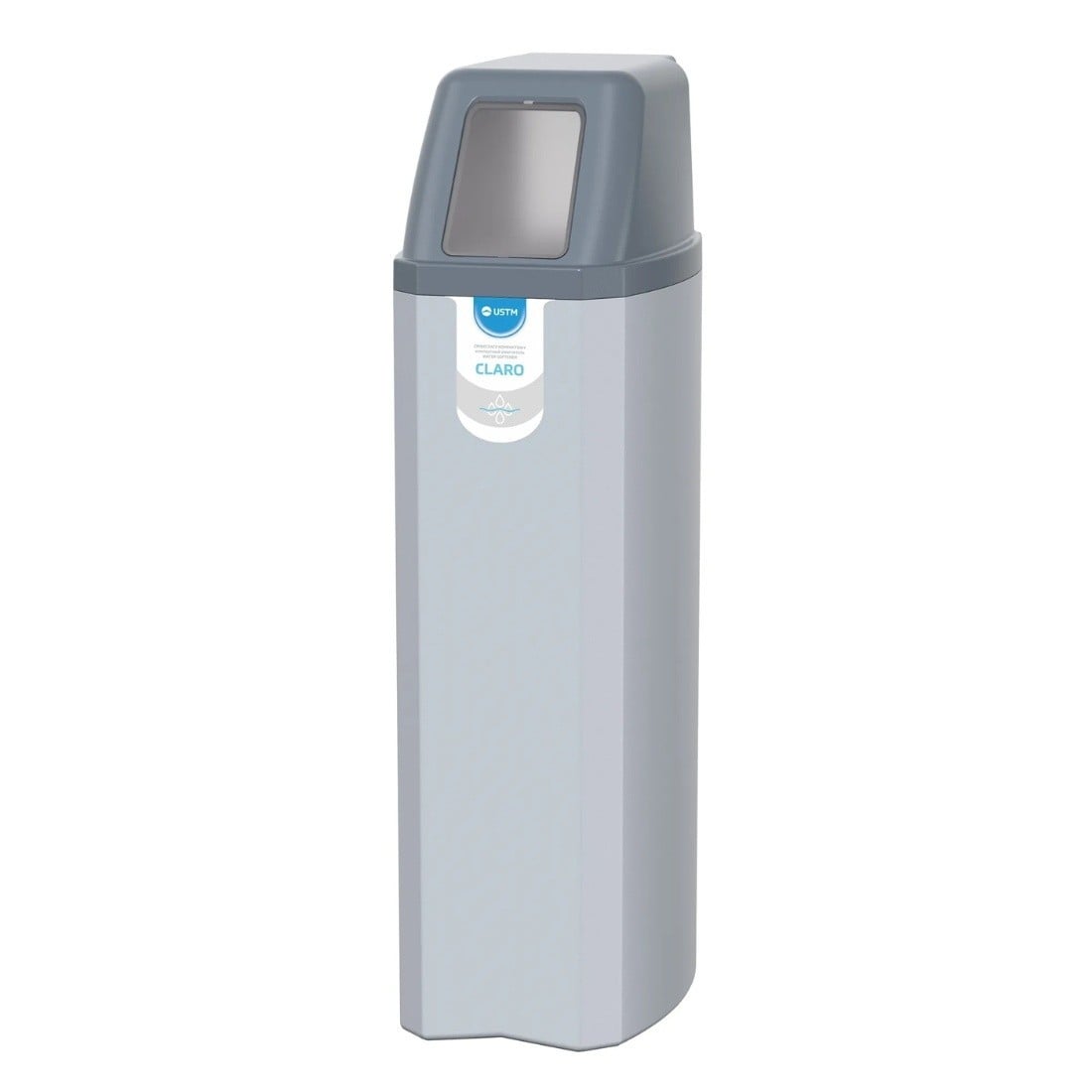
borehole water hardness Kenya pricing should separate testing, equipment, installation and ongoing consumables. The site currently lists the USTM Claro 25 L automatic water softener at KSh 58,504.16. That verified equipment price does not automatically include every pipe, fitting, drain, salt requirement or site-specific installation item.
| Scope | Indicative price | What to confirm |
|---|---|---|
| Raw-water hardness assessment | $— | Sampling, laboratory scope and interpretation |
| USTM Claro 25 L softener equipment | KSh 58,504.16 | Current stock, configuration and installation exclusions |
| Commercial softening system | $— | Peak flow, resin capacity, controls and duty |
| Installation and commissioning | $— | Bypass, drain, pipework, power and initial settings |
Borehole water hardness Kenya and scale in hot-water systems
Scale complaints often become most visible around heating equipment because deposits can accumulate on heat-transfer surfaces and fittings. However, borehole water hardness Kenya should still be confirmed with testing rather than diagnosed from a kettle, heater or showerhead alone. Other water-quality conditions can produce deposits or staining that need a different response.
If the property uses solar or heat-pump water heating, define whether softening is intended to protect the complete hot-water circuit or only selected equipment. Keep the installation bypass accessible so maintenance remains practical.
Borehole water hardness Kenya for apartments and hotels
Apartments and hotels have higher peak-flow and continuity requirements than a small home. A borehole water hardness Kenya design should therefore consider simultaneous demand, occupancy patterns, hot-water production, laundry and service windows. A unit that works well for a single dwelling can be too restrictive for a larger property.
Commercial systems may also need a maintenance plan that avoids interrupting the whole building during regeneration or servicing. The commercial water softening system listing is a designed solution rather than a one-size product; final configuration should follow the actual hardness and flow requirement.
Borehole water hardness Kenya and iron or staining
Staining does not automatically mean hardness. Iron, manganese, sediment and other water-quality conditions can create visible marks or treatment problems. If the main complaint is orange or brown staining, review the remove iron from borehole water Kenya guide and test the raw water before selecting a softener.
A complete borehole water hardness Kenya plan should therefore look at the laboratory result as a whole. Treatment stages must be compatible with one another, and pretreatment may be necessary when other parameters could foul or overload the softening process.
Borehole water hardness Kenya and fluoride treatment
Water softening and fluoride removal solve different treatment problems. A standard softener should not be purchased with the assumption that it will solve every dissolved-mineral concern. If fluoride is the issue, use the fluoride removal from borehole water Kenya guide and design from the specific test result.
This separation matters because borehole water hardness Kenya equipment can be technically suitable for hardness while leaving another parameter unchanged. Define the treatment objective before equipment is quoted.
How to monitor borehole water hardness Kenya after installation
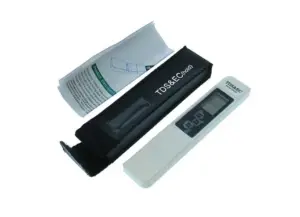
Keep a simple record of raw-water hardness, treated-water checks, regeneration frequency, salt use, flow complaints and service work. If treated hardness begins to increase, inspect settings, salt supply, bypass position, resin condition and demand changes before assuming the raw borehole water has changed.
Monitoring makes borehole water hardness Kenya treatment easier to manage because the system has a performance history. If the property expands or water use rises, the original softener should be reassessed against the new peak flow and daily load.
Common borehole water hardness Kenya mistakes
- Buying a softener without testing raw water.
- Sizing only from the number of bedrooms or users.
- Ignoring peak flow and focusing only on resin volume.
- Treating staining as proof of hardness.
- Assuming softening solves fluoride, salinity or microbiological problems.
- Installing without a practical bypass and drain arrangement.
- Failing to document regeneration settings and salt use.
- Never testing treated water after commissioning.
How to get started with borehole water hardness Kenya
Collect a representative raw-water test, describe the scale or process problem, estimate daily treated volume and identify peak demand. Decide which water lines need softening and whether there are other treatment concerns. Then request an itemized quotation for the complete system rather than comparing the equipment price alone.
A useful borehole water hardness Kenya quotation should state the softener configuration, expected service duty, installation scope, exclusions, commissioning and maintenance requirements. Keep that information with the water-test report.
Borehole water hardness Kenya FAQs
How do I know if borehole water is hard?
Use an appropriate water test. Scale can be a warning sign, but treatment should not be selected from appearance alone.
Does hard borehole water need treatment?
That depends on the tested hardness, intended use, equipment being protected and the operational impact. Treatment should solve a defined problem.
Does a water softener remove all borehole contaminants?
No. Softening targets hardness. Other concerns such as iron, fluoride, salinity or microbiological quality require separate assessment.
How is a softener sized?
Use tested hardness, peak flow, daily treated volume, resin capacity and a practical regeneration strategy.
Should the whole property be softened?
Not automatically. Choose the treatment boundary from the intended outcome and the property’s plumbing and water-use pattern.
Why is bypass plumbing useful?
A bypass makes service and troubleshooting easier and can allow selected water lines to remain available when the softener is isolated.
How do I know the softener is still working?
Keep treated-water checks, regeneration, salt-use and service records and compare them with the commissioning baseline.
Make borehole water hardness Kenya evidence-led
borehole water hardness Kenya should be managed from a test result, real flow demand and a clear treatment objective. Confirm the problem first, select the softener for peak flow and daily load, install it with service access, and verify treated-water performance after commissioning. That approach protects your plumbing and equipment without buying treatment that does not match the water.
Borehole water hardness Kenya and regeneration planning
borehole water hardness Kenya treatment is easier to operate when regeneration is treated as part of the design rather than an afterthought. The softener needs enough capacity for the actual hardness load, but the owner also needs a practical way to keep salt available, maintain the brine system, route drain water correctly and inspect the unit. A system that is technically sized but difficult to service can underperform because routine tasks are delayed.
Record the programmed settings at commissioning and keep a simple service log. If regeneration frequency suddenly increases, compare water use, raw-water hardness and any changes in occupancy or process demand. The cause may be higher demand rather than failed resin. This is another reason borehole water hardness Kenya should be monitored with both water-quality and operating records.
Borehole water hardness Kenya for hot-water equipment
Hot-water equipment often makes hardness problems more visible, but the complete design still begins upstream. Confirm the raw-water condition, identify the flow that needs treatment and review the hot-water system together with the softener. If only selected equipment needs protection, a targeted treatment boundary may reduce unnecessary treated volume.
For borehole water hardness Kenya, document where the sample was taken before treatment and where verification samples will be collected after treatment. This prevents confusion when several storage tanks, heaters or bypass lines exist on one property.
Borehole water hardness Kenya troubleshooting checklist
- Confirm the bypass is in the intended position.
- Check that salt is available and the brine system is serviceable.
- Review regeneration settings against current demand.
- Compare raw and treated water results.
- Check whether peak flow now exceeds the original design duty.
- Inspect for pressure loss or fouling upstream of the softener.
- Review recent plumbing changes that may bypass treatment.
This checklist keeps borehole water hardness Kenya troubleshooting focused on evidence. If treated-water hardness increases, do not replace the entire unit before checking settings, salt, bypass condition, resin performance and demand changes.
Borehole water hardness Kenya and future expansion
If a property adds more users, laundry equipment, bathrooms or process demand, revisit the original softener design. A unit that was appropriate at commissioning can become undersized after expansion even when raw-water hardness remains unchanged. Update peak flow and daily treated volume before adjusting settings or buying a second unit.
Keeping the original test, design duty and service history together makes borehole water hardness Kenya upgrades easier to plan. The next technician can see whether the issue is changing water quality, growing demand or ordinary equipment maintenance rather than starting from guesswork.