
borehole pump installation depth should be chosen from the completed borehole construction, tested pumping water level, pump requirements and the intended operating duty—not from total drilled depth alone. This guide explains how pump setting differs from borehole depth, what records installers should review, how water-level behavior affects the decision, and what to keep in the handover file after installation.

Why borehole pump installation depth matters
borehole pump installation depth affects pump operation, cable and rising-main length, service access and the relationship between the pump and changing water levels. A pump placed without reference to the completed source can be too close to sediment, poorly positioned relative to intake intervals, or left with insufficient operating margin when the water level falls during pumping.
Start with the drilling and construction record. Identify final depth, casing and screen intervals where applicable, significant water-bearing zones, and any construction notes. Then review the pumping-test report. The borehole test pumping Kenya guide explains why static level, pumping level, discharge and recovery should be known before the permanent pump is selected.
For borehole pump installation depth, the goal is not to place the pump as deep as possible. The goal is to position suitable equipment within a documented and serviceable operating arrangement that matches the source.
Borehole pump installation depth: step-by-step method
A structured borehole pump installation depth decision should be completed after the source has been developed and tested. The installer needs the pump model, hydraulic duty, known water levels and construction intervals before the final setting is approved.
- Review final construction. Confirm borehole depth, casing, screen/open-hole intervals and any known sediment zone.
- Review test pumping. Record static level, pumping level, tested discharge and recovery observations.
- Confirm pump duty. Select the pump from required flow and total head rather than installation depth alone.
- Identify pump setting constraints. Consider intake intervals, manufacturer requirements and serviceability.
- Plan rising main and cable. Final setting determines installed lengths and handling requirements.
- Coordinate controls. Dry-run protection and tank controls should match the operating plan.
- Record final setting. Keep the installation depth with pump model, cable, pipe and commissioning data.
- Verify performance. Record flow, current, tank filling time and relevant water levels after commissioning.
A simple operating-submergence relationship can be written as:
In plain English, operating submergence S is the difference between the pump setting depth and the pumping water level when both are referenced consistently. Actual installation must follow the specific pump, motor and borehole design requirements rather than a universal margin.
How borehole pump installation depth differs from total depth
borehole pump installation depth is the depth at which the pump assembly is installed. Total borehole depth is the bottom of the completed hole. Static water level is the resting water surface, and pumping water level is the level while pumping under a stated condition. These values should never be used interchangeably.
The how to measure borehole depth guide explains how to keep those measurements separate. A pump can be installed well above the bottom while still being adequately submerged during operation.
Choosing the right borehole pump installation depth
The right borehole pump installation depth balances hydraulic conditions, construction and maintenance. If the pump is set without considering screen or intake intervals, sediment and inflow patterns can become harder to manage. If it is set with too little operating margin, changing drawdown can trigger dry-run protection or reduce reliability.
| Input | Why it matters | Record to keep |
|---|---|---|
| Final borehole depth | Defines physical completion | Drilling log |
| Screen/intake interval | Shows where water is intended to enter | Construction record |
| Static water level | Provides resting baseline | Pumping-test report |
| Pumping water level | Shows operating water condition | Pumping-test report |
| Required flow and head | Determines pump model/duty | Pump selection sheet |
| Final pump setting | Determines installed position | Commissioning record |
Total pump head can be represented as:
In plain English, total head combines pumping lift, delivery elevation, pipe friction and required outlet pressure. Borehole pump installation depth influences installation but is not the same as total head.
Worked example: borehole pump installation depth after test pumping
Imagine a new borehole with a final depth recorded in the drilling log. The pumping test shows a stable operating water level at the intended test rate, while the construction record identifies the productive intake intervals. The selected pump is then matched to the delivery head and required flow. Only after those decisions is the final borehole pump installation depth confirmed.
The installer records the pump model, setting depth, rising-main length, submersible cable, controls and commissioning flow. If a future pump replacement is needed, the next technician can see why the pump was set where it was and compare current water levels with the original baseline.
At another site, a replacement pump is lowered to the same setting as the old pump without checking current water levels or construction records. That may work, but it is not a defensible borehole pump installation depth process when the source or equipment has changed.
| Illustrative design input | Relative priority index |
|---|---|
| Pumping-test data | 100 |
| Construction record | 92 |
| Pump duty | 86 |
| Serviceability | 78 |
Features of our borehole pump installation depth service
| Feature | What it supports |
|---|---|
| Construction-record review | Confirms depth, casing and intake intervals |
| Pumping-test review | Provides static and pumping water-level evidence |
| Pump-duty selection | Matches flow and head to the water system |
| Setting-depth planning | Coordinates pump position with construction and water level |
| Cable/rising-main schedule | Defines installed lengths and service scope |
| Control coordination | Links dry-run and tank controls to the operating plan |
| Commissioning record | Creates a baseline for future pump replacement |
Advantages of a documented borehole pump installation depth decision include:
- Better pump reliability because setting follows measured operating conditions.
- Better sediment management because construction intervals are reviewed before placement.
- Clearer cable and pipe scope because installed lengths are known.
- Better dry-run protection because pump setting and water levels can be compared.
- Easier future replacement because the original setting and reason are recorded.
- Better pump sizing because installation depth is not confused with total dynamic head.
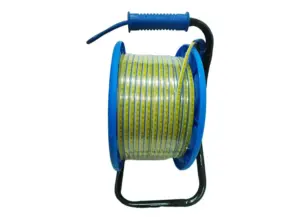
Borehole pump installation depth pricing
borehole pump installation depth affects cable, rising main, lifting/handling work and service access, so installation pricing should state the planned setting and the lengths included. The pump itself is only one project component.
| Scope | Indicative price | What to confirm |
|---|---|---|
| Pump-setting review | $— | Construction, water levels and pump duty |
| Submersible pump equipment | $— | Model, hydraulic duty and motor specification |
| Rising main and cable | $— | Material, size, length and connection scope |
| Installation and commissioning | $— | Setting depth, controls, testing and handover record |
Borehole pump installation depth and pumping water level
When the source is pumped, the water level can move below the static level. The borehole pump installation depth decision should therefore use pumping behavior, not the resting water level alone. A source with significant drawdown may need a different operating strategy from one with a small change under the intended flow.
Use the static water level vs pumping water level guide to document the comparison. If demand or pump size changes later, repeat the relevant assessment before assuming the original setting remains ideal.
Borehole pump installation depth and screen intervals
The construction record should show where casing, screen and gravel pack are installed where applicable. Borehole pump installation depth should be reviewed against those intervals so the pump is not positioned without understanding the completed intake.
The borehole gravel pack guide explains why intake construction and pump setting become important if a source later produces sand.
Borehole pump installation depth and sand problems
If a borehole pumps sand, do not automatically raise or lower the pump without diagnosis. Borehole pump installation depth is one variable among formation condition, screen/pack design, development, operating rate and construction condition. Review the original records and when the sand began.
The borehole pumping sand Kenya guide provides a wider diagnostic sequence. Any pump-setting change should be documented along with the reason.

Borehole pump installation depth after rehabilitation
Rehabilitation can change the condition or performance of an older source. Before reinstalling the pump, review post-work flow and water-level results and confirm that the original borehole pump installation depth is still appropriate. Do not lower the old pump to its previous setting automatically if the construction or operating plan changed.
The borehole rehabilitation Kenya guide emphasizes post-work verification. Add the new pump setting and commissioning measurements to the rehabilitation handover record.
Borehole pump installation depth on solar systems
Solar pumping changes the operating schedule but not the need for a documented borehole pump installation depth. The pump should still be selected from tested source performance and delivery head. Storage can then be designed around useful daytime pumping and later demand.
Controller protection and tank controls should be coordinated with the pump setting and water-level history. The solar vs electric borehole pump Kenya guide explains the wider operating strategy.
Borehole pump installation depth for replacement pumps
When a pump is replaced, record the old setting before removal. Then review why that setting was chosen, current water levels, source performance and the new pump duty. A different model can have different physical dimensions or operating characteristics, so copying the old borehole pump installation depth without review can miss important changes.
Keep the removed pump model and condition in the service note. This helps explain whether the failure was equipment-related or connected to operating conditions.
Records to keep for borehole pump installation depth
- Final borehole depth.
- Casing, screen and intake intervals.
- Static and pumping water levels.
- Tested discharge and recovery observations.
- Pump model and hydraulic duty.
- Final pump setting depth.
- Rising-main material, size and length.
- Submersible cable type and length.
- Dry-run and tank-control details.
- Commissioning flow, current and tank filling time.
Common borehole pump installation depth mistakes
- Setting the pump from total borehole depth alone.
- Using static water level without reviewing pumping drawdown.
- Ignoring screen or intake intervals.
- Installing a larger pump without reviewing the tested source.
- Failing to record the old setting during pump replacement.
- Changing setting depth as a response to sand without diagnosis.
- Failing to coordinate dry-run protection with water-level behavior.
- Completing installation without a written setting and commissioning record.
How to get started with borehole pump installation depth
Prepare the drilling log, construction record, pumping-test report, required daily water volume and delivery-system layout. If replacing an existing pump, include the old pump model and setting. Then request a pump selection and installation plan that states the proposed borehole pump installation depth and the evidence used.
A strong handover should show not only the equipment price but the final setting, cable, rising main, controls and commissioning result. That gives future technicians a reliable baseline.
Borehole pump installation depth FAQs
How deep should a borehole pump be installed?
There is no universal depth. Use the completed construction, tested pumping water level, pump requirements and intended operating duty.
Should the pump be installed at the bottom?
Not automatically. Final depth and pump setting are separate measurements, and the pump should be positioned from the documented design.
Is static water level enough to choose pump setting?
No. Pumping water level and the source response under the intended operating condition are also important.
Does pump setting determine pump size?
It is one installation input. Pump sizing also uses required flow, delivery elevation, pipe friction and pressure.
Should pump setting be changed if the borehole pumps sand?
Only after diagnosis. Sand can involve construction, formation, development, operating rate and other factors.
Should the old pump setting be reused during replacement?
Review it rather than copying automatically. Check current source performance and the new pump model.
What should the installation record include?
Keep pump model, setting depth, water levels, rising main, cable, controls and commissioning performance.
Make borehole pump installation depth evidence-led
borehole pump installation depth should follow the completed construction, pumping-test evidence and actual pump duty. Separate pump setting from total depth and water level, coordinate controls with the operating plan, and record the final installation for future maintenance. That gives the pump a stronger technical basis and makes later replacement much easier.
Borehole pump installation depth and cable/rising-main planning
borehole pump installation depth directly affects the length of submersible cable and rising main that must be installed and later handled during service. The quotation should therefore state the proposed setting, pipe specification, cable size and allowance for secure connections rather than using an undefined lump sum. If the final setting changes after review of the pumping-test evidence, update those quantities before installation.
Longer cable and pipe runs also make future pump removal more involved. Good installation planning includes safe lifting and service access, clear cable support and a handover record that identifies what was installed. This is another reason borehole pump installation depth should be documented precisely instead of being remembered approximately by the original installer.
Borehole pump installation depth and future water-level changes
Water levels can vary with operating conditions and groundwater response, so the original borehole pump installation depth should be reviewed if repeated dry-run trips, declining flow or a major change in demand appears later. Do not lower the pump automatically. First compare the present static and pumping water levels with the earlier test and confirm that the source is still being operated appropriately.
If a different pump or operating rate is proposed, repeat the pump-duty calculation and update the protection strategy. The setting depth, flow and controls work together; changing one without reviewing the others can create a new problem.
Borehole pump installation depth for institutions and commercial properties
Schools, apartments, hotels and commercial properties often depend on reliable storage and longer pumping windows. Their borehole pump installation depth records should therefore be kept with facility-maintenance documents rather than only with the original contractor. When the pump is serviced years later, the estates team can provide the setting, model, cable, rising main and commissioning baseline immediately.
For critical sites, record any standby or alternative water arrangement as part of the service plan. Pump removal can interrupt supply even when the borehole itself is healthy, so maintenance planning should consider reserve storage and the expected duration of work.
Borehole pump installation depth commissioning checklist
- Confirm the final pump model and motor details.
- Record the final pump setting from the agreed reference point.
- Record rising-main material, size and installed length.
- Record submersible cable type, size and installed length.
- Record static and pumping water-level references used in the design.
- Confirm tank and dry-run controls are operating as intended.
- Record commissioned flow or repeatable tank filling time.
- Record normal running current and controller status where qualified personnel measure it.
- Store the installation drawing or written setting record with the borehole file.
This commissioning checklist turns borehole pump installation depth into a repeatable technical record. If the pump is later replaced, the next installer can compare current conditions with the original design rather than starting from guesswork.